
Practical Procurement for Enterprise Creator Marketing Platforms
Whenever marketing teams evaluate new software, the conversation often starts with capabilities.
Does the platform support campaign workflows? Will it improve reporting? Can it scale across the team?
But by the time a purchase reaches Procurement, the questions change. Is the pricing structure predictable and defensible? Does the contract meet enterprise standards? Will the platform pass security and privacy reviews? And can it scale globally without creating vendor sprawl?

For Procurement leaders, creator marketing platforms are evaluated as more than marketing tools. They’re enterprise SaaS vendors, and demand the same level of scrutiny and oversight.
In this guide, we’ll examine why creator marketing purchases often slow down during procurement review, and how the right platform architecture can transform creator marketing into a critical component of enterprise infrastructure.
Why creator marketing tools stall in procurement review
Typically, creator marketing often grows organically within marketing teams. Regional markets adopt tools independently, while agencies introduce platforms for campaign execution. All the while, new vendors enter the stack quickly to support emerging channels.
Over time, this creates an environment that raises red flags during procurement evaluation. Several issues commonly appear, including:
As a result, procurement teams spend significant time clarifying vendor structure, negotiating terms, and aligning contracts with enterprise policy. This leads to a slow-down in deals: not because marketing lacks urgency, but because governance requirements must be satisfied.
RELATED RESOURCE Enterprise Governance
What enterprise-ready marketing platforms look like
For creator marketing platforms to pass procurement review efficiently, they have to operate like mature enterprise software vendors. That means demonstrating commercial clarity, contractual discipline, and governance readiness.
Enterprise-ready platforms typically share four defining characteristics:
Transparent commercial structure
Strong security and privacy posture
Clean contractual architecture
Multi-brand deployment capability
When these enterprise standards are in place, procurement reviews move faster, with fewer headaches for everyone involved.
RELATED RESOURCE The Enterprise Essentials Toolkit
How to procure creator marketing platforms with confidence
Here’s how Procurement leaders can evaluate creator marketing platforms more effectively and efficiently.
-
STEP 1
Ensure commercial clarity and predictable pricing -
STEP 2
Validate enterprise-grade security and compliance readiness -
STEP 3
Structure contracts for global scalability -
STEP 4
Consolidate creator marketing vendors where possible
STEP 1
Ensure commercial clarity and predictable pricing
One of the most important responsibilities for procurement teams is ensuring predictable cost structures. Creator marketing platforms often support multiple brands, regions, and teams, so pricing must scale without introducing ambiguity.
Clear commercial frameworks typically include:
- Transparent unit economics (users, modules, or usage tiers)
- Multi-year pricing schedules with defined discount logic
- Renewal protections such as price caps
- Clearly defined scope boundaries
When pricing structures are predictable, procurement teams can model long-term spend and avoid surprise increases at renewal.
RELATED RESOURCE
How to Choose the Right Creator Marketing Platform for Your Business
STEP 2
Validate enterprise-grade security and compliance readiness
Modern SaaS procurement requires extensive coordination with security and risk teams. Platforms that store creator data—contact details, contracts, or financial information—must demonstrate strong governance and data protection practices.
Properly scaled security review processes typically evaluate:
- SOC-aligned security controls and documentation
- Data privacy practices and regulatory compliance
- Third-party risk exposure and subprocessor transparency
- Incident response and data protection policies
When vendors prepare these materials proactively, security review becomes faster and far less disruptive to the purchasing process.
RELATED RESOURCE
Trust at CreatorIQ
STEP 3
Structure contracts for global scalability
Creator marketing platforms often begin with a single team or market before expanding across the organization. Therefore, Procurement leaders ought to prioritize contractual structures that scale effectively.
A strong contractual framework typically includes:
- A clearly defined Master Services Agreement (MSA) governing the relationship
- Flexible Statements of Work (SOWs) for regional deployments
- Defined Service Level Agreements (SLAs) with uptime commitments and remedies
Separating these components allows organizations to expand platform adoption without renegotiating core contractual terms each time. This approach reduces administrative complexity while preserving governance controls.
RELATED RESOURCE
The Operating System for Creator-Led Growth
STEP 4
Consolidate creator marketing vendors where possible
Vendor consolidation is one of the most effective ways to reduce risk and operational complexity. When multiple influencer tools operate independently across markets, organizations face:
- Increased security and compliance review workloads
- Reduced pricing leverage with vendors
- Fragmented governance oversight
A centralized creator marketing platform allows organizations to bring multiple regions and teams under a single governed agreement. In turn, this consolidation improves spend visibility, simplifies vendor management, and strengthens procurement leverage during negotiations.
RELATED RESOURCE
CreatorIQ Named IDC MarketScape Leader
What these changes mean for you
When creator marketing platforms meet enterprise procurement standards, the purchasing process becomes significantly more efficient. Security reviews move faster, because documentation is already prepared. Contract negotiations require fewer exceptions, because agreements align with standard structures. Global deployments become easier, because the platform supports multi-brand governance under one contract.
Most importantly, creator marketing stops manifesting as fragmented software purchases across marketing teams. Instead, it becomes a governed infrastructure investment that supports the organization’s long-term marketing strategy.
Consolidate creator marketing into a governed enterprise platform
As creator marketing expands across brands, regions, and campaigns, enterprise organizations need infrastructure that supports both marketing execution and procurement governance.
CreatorIQ provides an enterprise platform that allows organizations to centralize creator marketing under one scalable agreement. Within a single system, CreatorIQ unifies the entire creator lifecycle:
Within a single platform, CreatorIQ unifies every stage of the creator lifecycle:
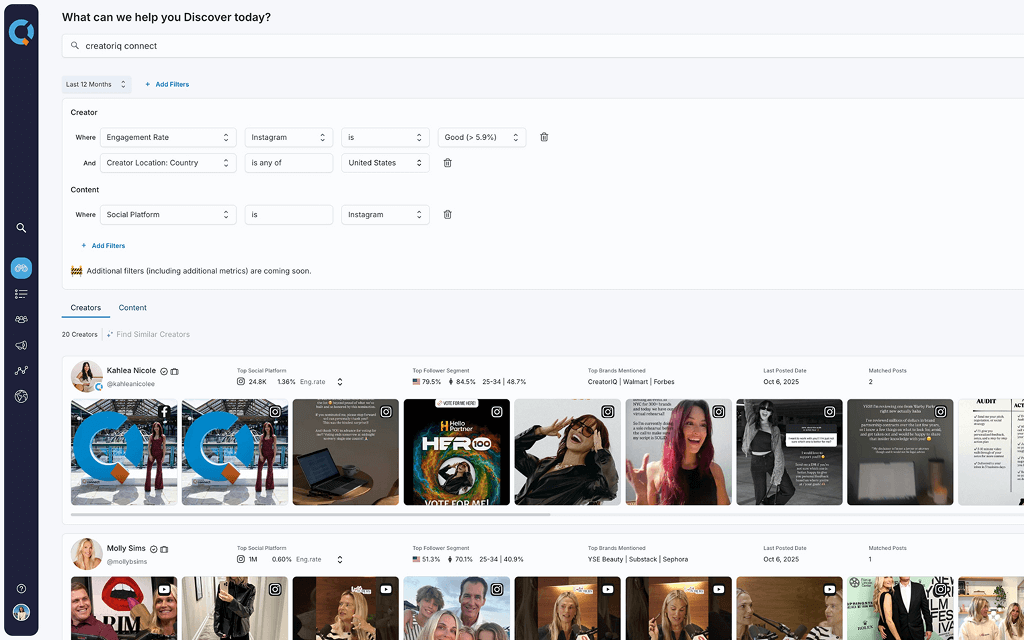
Discovery identifies creators through content-first search and brand mention analysis.
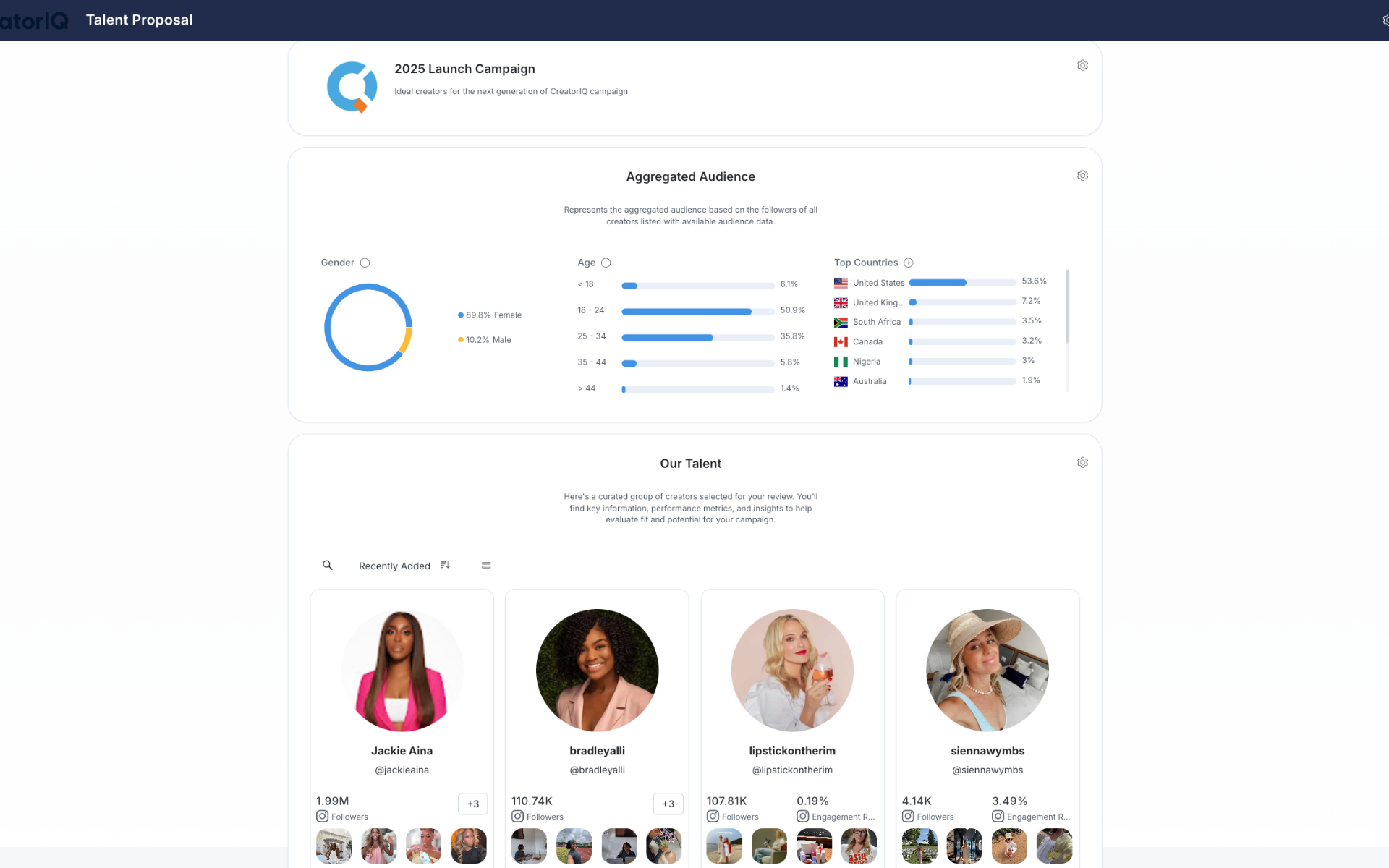
Lists enable collaborative creator vetting and stakeholder approvals.
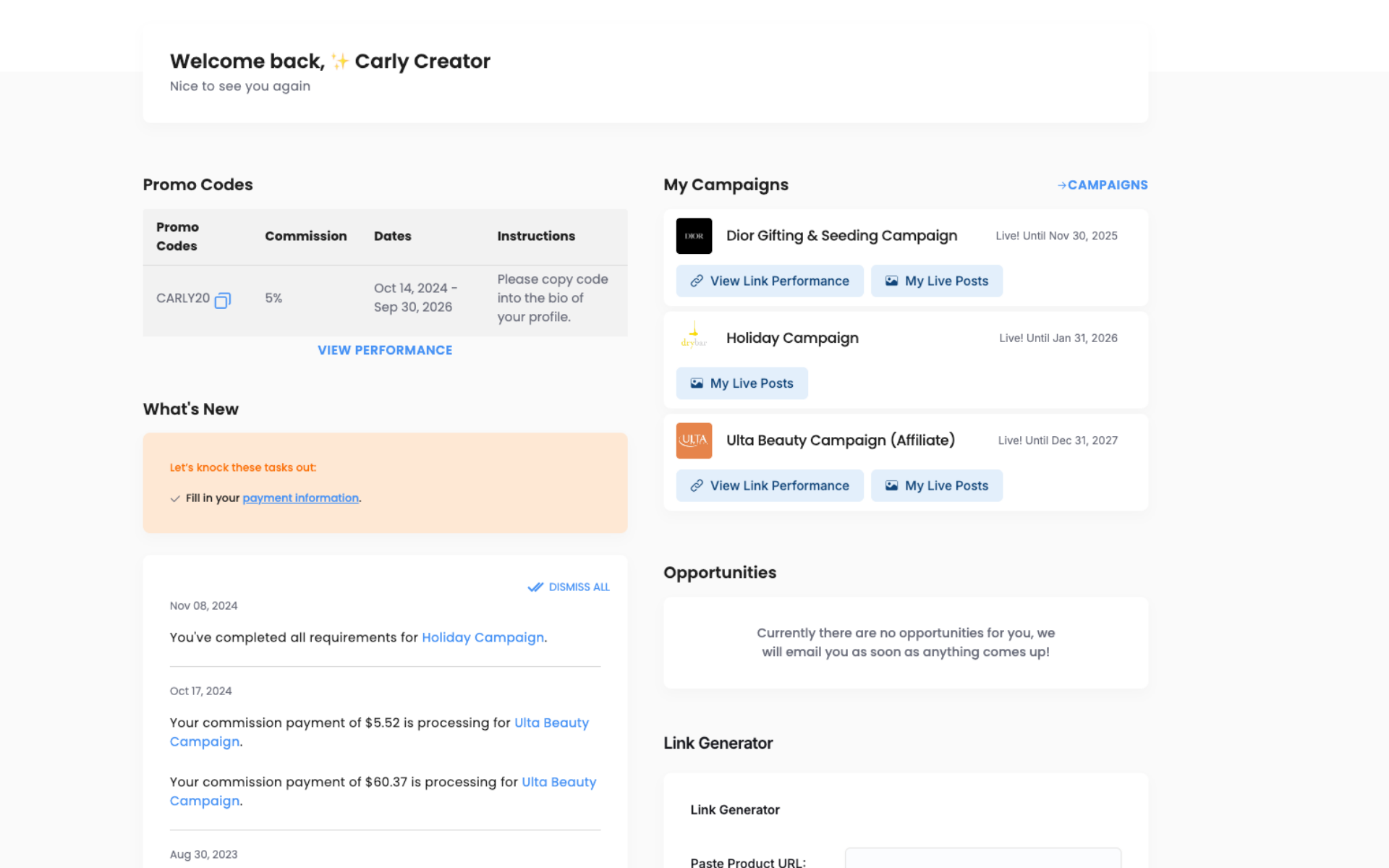
Campaigns manage partnerships, deliverables, and campaign execution.
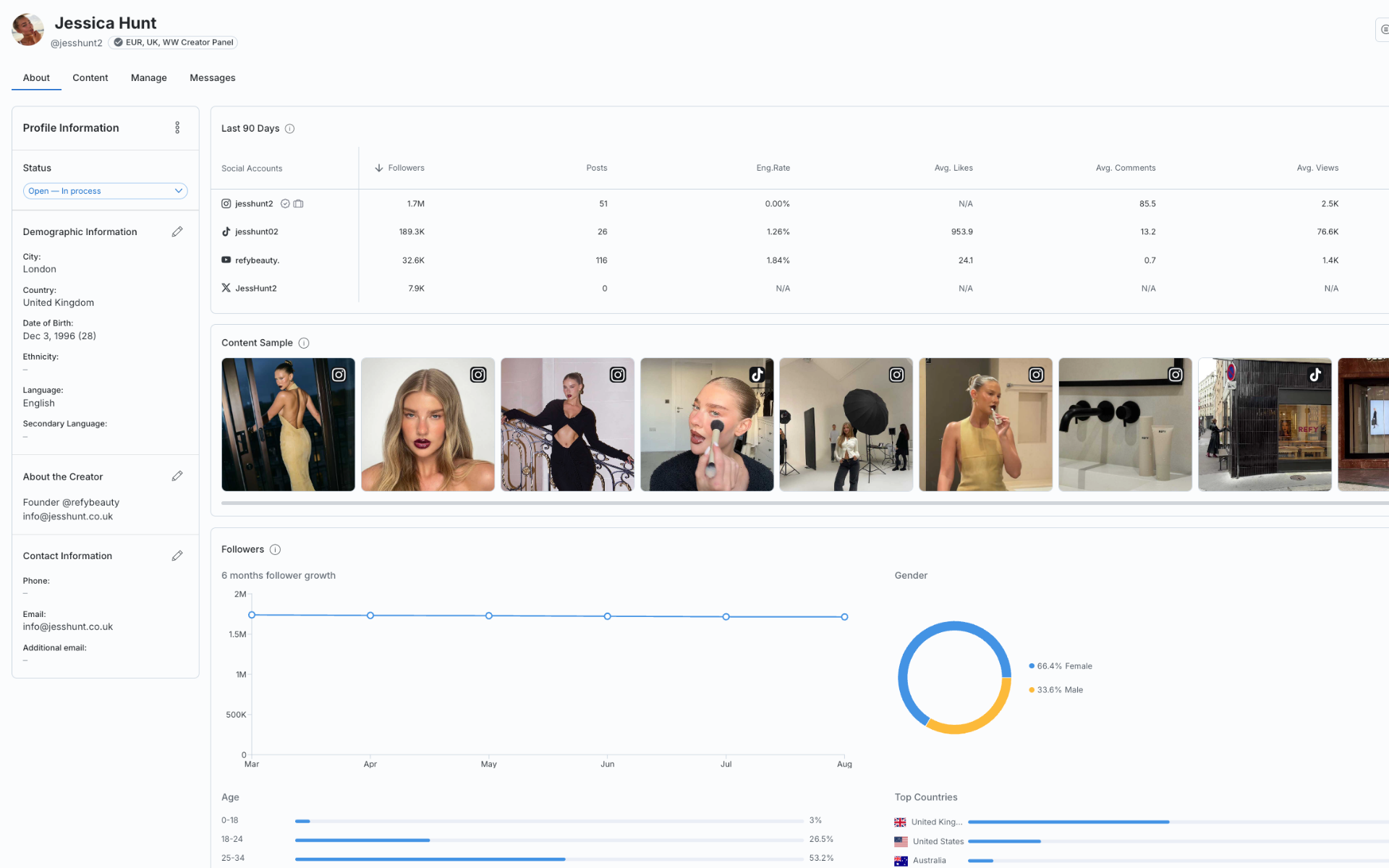
Community automatically captures creator content and organic brand mentions across platforms.
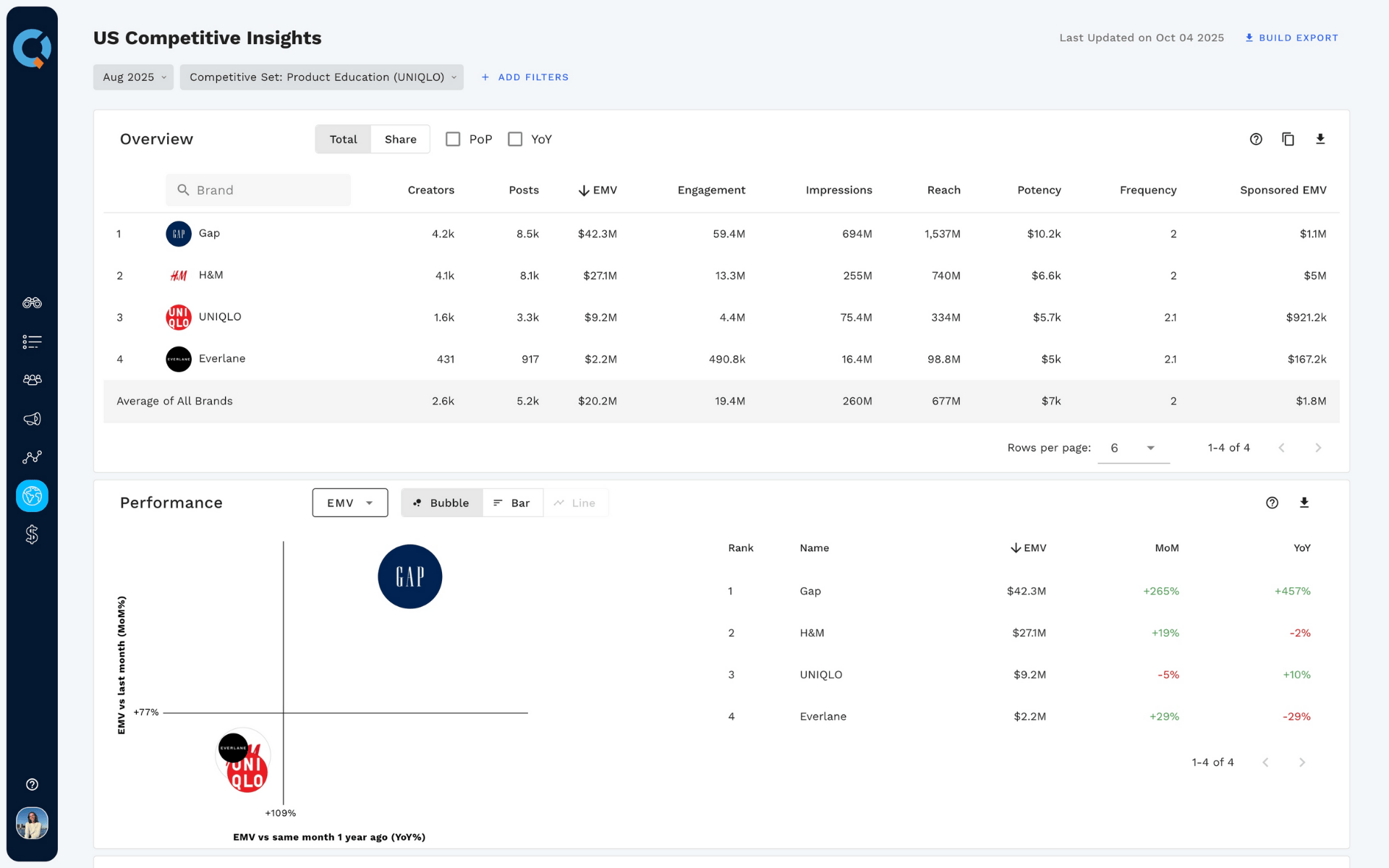
Measurement consolidates campaign performance, competitive insights, and enterprise dashboards.
Together, these capabilities consolidate creator marketing workflows that might otherwise exist across multiple tools. The result is a creator marketing platform that meets enterprise procurement standards while enabling marketing teams to operate effectively.
If that sounds good to you, check out CreatorIQ today.
Scale creator marketing into a measurable growth engine
Creator marketing has become one of the most powerful forces shaping brand visibility and consumer trust for global enterprises. But unlocking its full potential requires more than creative partnerships.
CreatorIQ provides the enterprise operating system that enables marketing leaders to scale creator marketing with accountability, visibility, and control.
Within a single platform, CreatorIQ unifies every stage of the creator lifecycle:
Discovery identifies creators through content-first search and brand mention analysis.
Lists enable collaborative creator vetting and stakeholder approvals.

Campaigns manage partnerships, deliverables, and campaign execution.
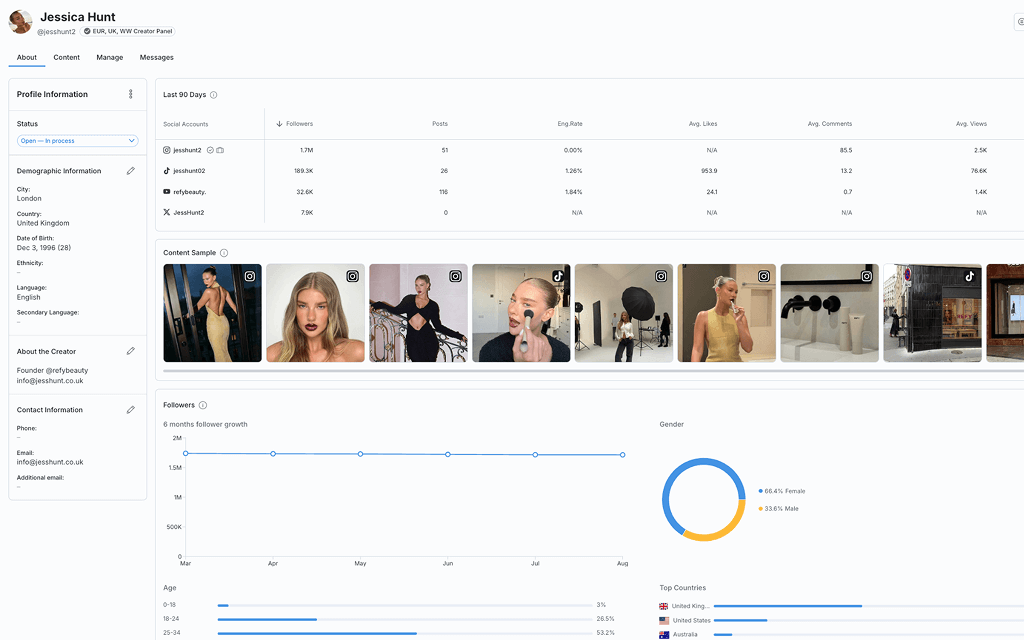
Community automatically captures creator content and organic brand mentions across platforms.
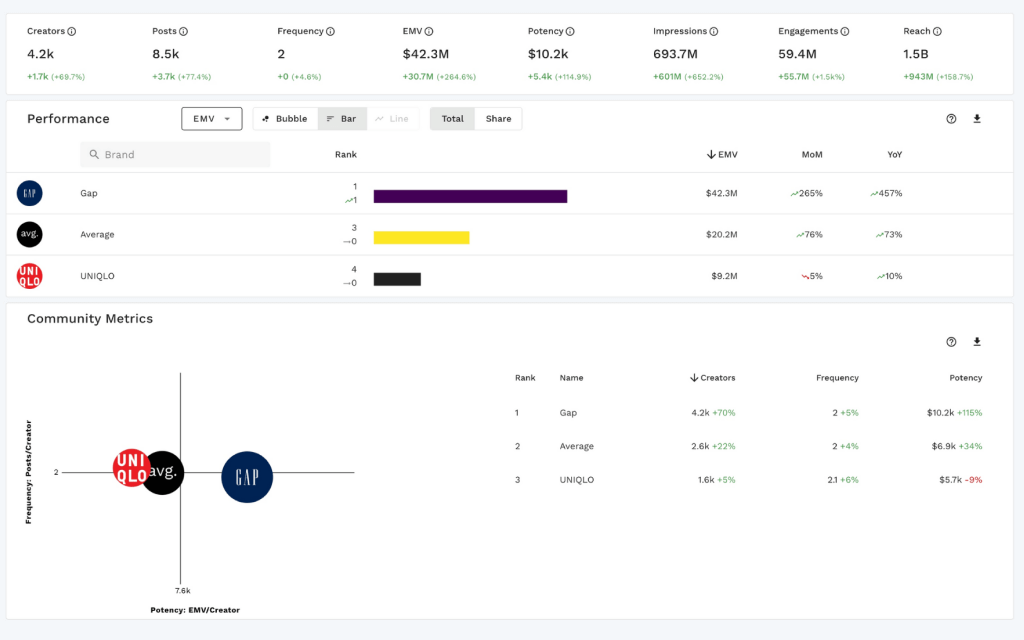
Measurement consolidates campaign performance, competitive insights, and enterprise dashboards.
Together, these capabilities transform creator marketing from a fragmented activity into a unified infrastructure for enterprise growth. The result is a creator strategy that delivers what Marketing Executives ultimately care about most: measurable growth, strengthened brand equity, operational efficiency, and reduced risk.
If that sounds good to you, check out CreatorIQ today.