

6 Creator Marketing Shifts to Watch for in 2026
What CES revealed about where the industry is actually headed
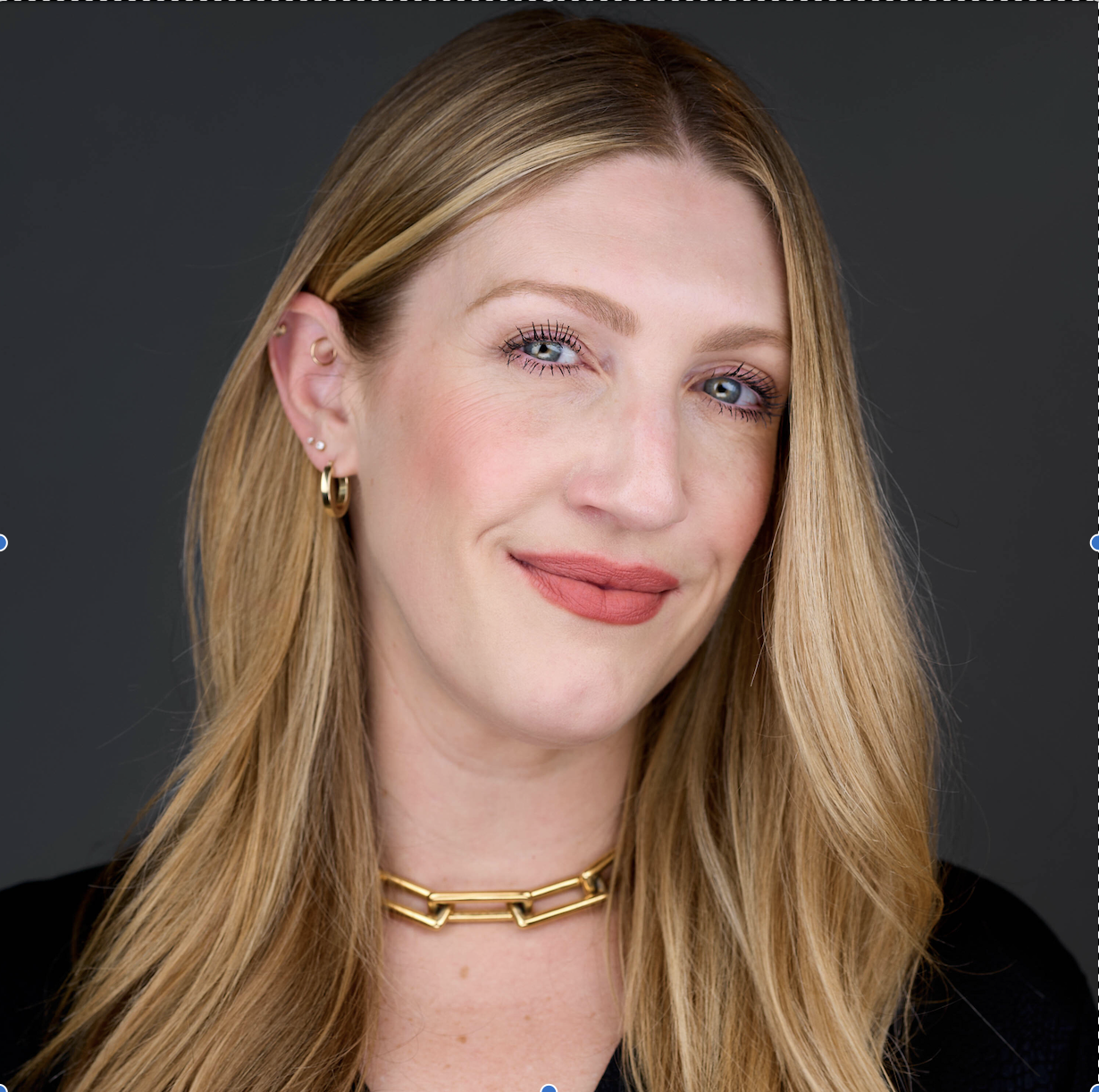
By Ashley Waxman, VP of Brand Marketing, CreatorIQ
Only a few days into the year, CES hits the tech scene like a tidal wave. Coming on the heels of the holidays, it doesn’t ease you into a new year, it cold plunges you straight into what’s next. This year, I spent three full days emceeing the CES Creator Space, and the conversations on the Creator Stage made one thing clear early on: creator marketing is starting the year fast, and expectations are rising just as quickly.
I came back from a week in Vegas with a lot of inspiration—and a clearer view into where creator marketing is headed. If you’re looking for a recap of the biggest lessons from the Creator Space, I shared those in my last post.
After three days, six clear shifts emerged signaling that creator marketing is being restructured, reshaping how creators operate, how brands partner, and how value is measured going forward.
We’re now firmly in creator marketing’s Era of Efficacy: a more disciplined chapter defined by systems, trust, and long-term value creation.
2025 was about scale. 2026 will be about how that scale is managed.
1. Archiving is the new growth lever.
Creators are increasingly treating their back catalogs as strategic assets.
In What Metrics for Success Will Look Like in 2026, panelists were asked what they think will be the biggest trend this year. Content creator and entrepreneur DonYé Taylor without hesitation said, “Archiving.” She referenced people going back to analog things like journaling—less polished, more long-form, and certainly more personal.
Platforms like Snap are making it easier to resurface, remix, and monetize older content — shifting value from constant net-new production to compounding relevance over time.
What this means:
Evergreen creator content is becoming a performance asset. Managing and organizing the growing scale of usable content is a requirement for success.
2. Transmedia is table stakes.
Creators and brands are building ecosystems across video, newsletters, commerce, audio, and IRL experiences.
This pattern surfaced repeatedly across the Creator Stage, and it’s reinforced by CreatorIQ’s State of Creator Marketing report, which shows organizations now activate creators across an average of five platforms per campaign.
What this means:
As Marshall McLuhan famously said, the medium is the message. Repurposing content without considering the story and the channel won’t cut it. If your creator strategy assumes one format or one channel, it’s already outdated.
3. Depth of engagement will matter more than reach.
During What Metrics for Success Will Look Like in 2026, speakers outlined a clear evolution:
- 2015: followers
- 2025: views
- 2026: depth of engagement
Watch time, saves, meaningful comments, and downstream actions are becoming stronger indicators of intent than reach alone.
What this means:
Reach still matters, but it’s not the whole story. There’s no one-size-fits-all metric in creator marketing. Your program goals should dictate your metrics mix.
4. Creators are businesses, and long-term partnerships will win.
Creators are operating as professional businesses, building communities and fueling commerce. In The State of the Creator Economy, Lia Haberman noted that 2026 is the year that creators invest in 3-5 year business plans.
That shift was central to Partnering with Purpose: Building Long-Term Brand Relationships, where speakers emphasized alignment, respect for creative process, and shared value over transactional deals.
CreatorIQ’s new State of Creator Compensation report shows creators increasingly prioritize long-term partnerships, growth opportunities, and creative control over one-off deals. Yet income remains uneven, reinforcing the need for durable relationships.
What this means:
Brands that invest in long-term partnerships will be better positioned to attract and retain creators who are building sustainably.
Creators aren’t building audiences in a single place—they’re building brands. Their businesses span video, newsletters, commerce, audio, and IRL experiences. Brands should invest in creators with the same intentionality they bring to paid media, building sustained awareness that drives consideration and action over time.
5. Scale will force marketers to think in terms of systems, not assets.
AI is accelerating content volume, and volume without structure will ultimately negate any efficiency gains.
Sessions like AI as a Creative Accelerant showed the power of using AI across every stage of a campaign planning process. As creators and brands scale output, they’re building workflows, teams, and operating systems, with AI handling “cognitive offloading” and humans focusing on strategy, storytelling, and community. In fact, several speakers throughout the week mentioned how investing in AI has actually created the need for hiring more people to manage these systems.
CreatorIQ data shows creators now generate 11x more impressions and 14x more engagements than brand-owned content. That level of scale demands systems for not only asset management, but also measurement, governance, reuse, and learning.
What this means:
AI can’t replace strategy, but it will expose whether you have one. Before implementing AI at scale, plan for workflows and content systems that can be easily catalogued, governed, and reused.
6. AI transparency will be non-negotiable.
As AI use becomes ubiquitous, transparency is emerging as a baseline expectation.
In commerce-focused conversations like The Creator Economy Goes Shopping, speakers emphasized that trust is foundational—especially when creators are directly influencing purchasing decisions. Clear boundaries around AI use aren’t constraints; they’re safeguards. For instance, LTK has clearly stated in their terms that their platform is only for real human creators, not AI influencers.
In The Human Edge in AI Creation, the all-creator panel reinforced that the way you use AI is up to you, and everyone is different. It’s in how you keep your audience informed about where AI plays a role, and how it aligns to your brand, that makes a difference.
CreatorIQ’s State of Safety report shows 72% of enterprise brands say brand safety has become more critical year over year, particularly as creator content volume accelerates. Clear AI guidelines protect creators, audiences, and brand equity, and platforms are becoming more vocal about disclosure and labeling standards.
What this means:
Transparency is how trust scales. Being upfront about how you use AI, and how you want AI to be used, will deliver the best outcomes more effectively.
What this signals for the year ahead
For all the information one can consume at CES, what stood out most to me was the alignment across perspectives. Creators, platforms, and brands are coming to the same conclusion: the future belongs to those who build intentionally, partner thoughtfully, and plan beyond the next campaign.
If you’re planning your creator marketing strategy for the year ahead, these six shifts are worth pressure-testing against your own roadmap.