What the future of creator marketing actually looks like
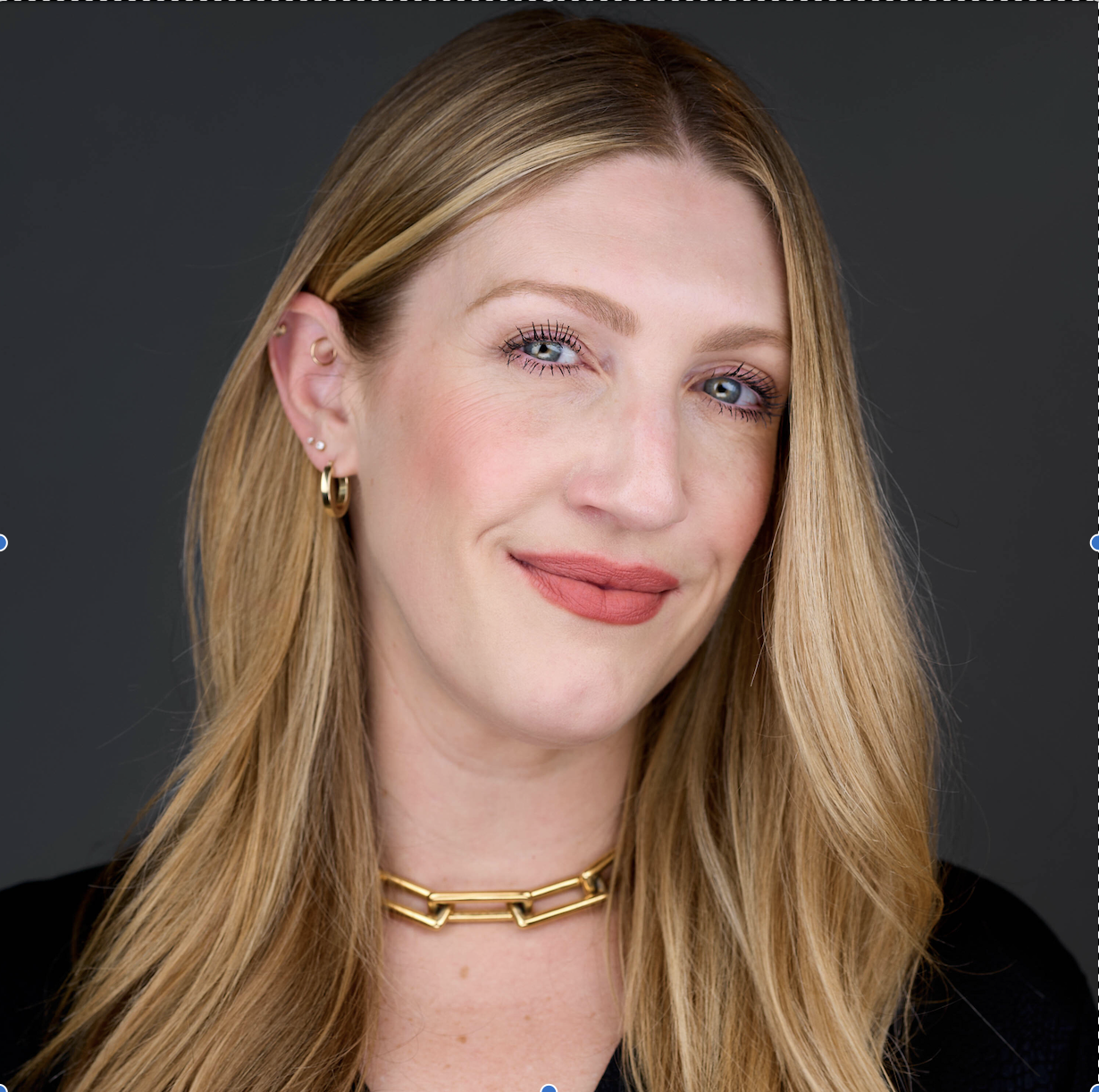
By Ashley Waxman, VP of Brand Marketing, CreatorIQ
This was my first CES — and nothing really prepares you for just how massive it is.
I’ve attended plenty of large-scale conferences over the years, from SXSW to AWS re:Invent. But CES operates on a different level entirely: 148,000+ attendees across multiple venues, thousands of exhibitors, endless product announcements, and entire halls dedicated to single categories of innovation.
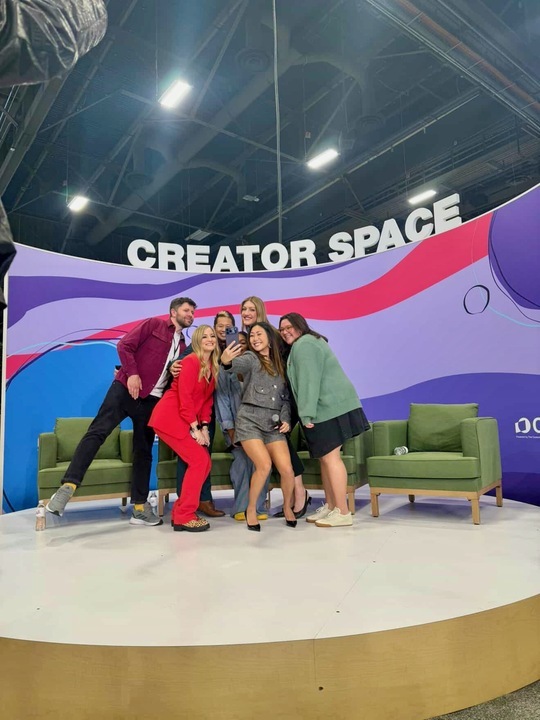
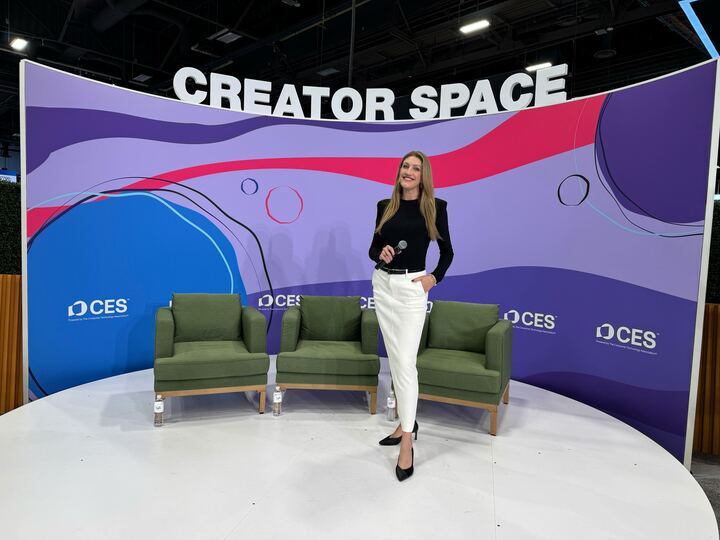
Despite all that scale, I spent nearly the entire week in one place: the Creator Space in Central Hall. I had the honor of emceeing the Creator Stage for three full days of programming, featuring incredibly accomplished creators, industry leaders, brands pushing the envelope, and the technology powering real growth in the creator economy.
That gave me a uniquely focused vantage point. While CES is filled with headlines about hardware, platforms, and emerging tech, the Creator Stage offered something different: a concentrated look at how creators, brands, and platforms are actually operating right now—and where the creator economy is heading next.
Across three days emceeing the Creator Stage (and even moderating one of the panels!), one thing became clear: the creator economy didn’t show up at CES looking for validation. It showed up with operating principles.
These are the five lessons that mattered most, and why they should change how marketers approach creators, content, and AI.
1. Experimentation still wins. AI has removed the excuse not to do it.
Across Creator Stage sessions, speakers consistently reinforced that experimentation remains the fastest way to learn what works.
What’s changed is the cost of testing. AI has dramatically lowered the barrier to experimenting with formats, hooks, visuals, and production workflows. During The Human Edge in AI Creation, a creator-led panel I moderated, creator and CES co-host Justine Ezarik (iJustine) shared how she uses AI to do things that simply wouldn’t be possible in real life. One example? Any time someone generates a prompt using her likeness in Sora, she’s trained it to include a pig in the video. Unexpected, playful, and completely on-brand.
Across the board, creators were clear: AI can accelerate output, but it shouldn’t dilute originality.
CreatorIQ’s own research reinforces this shift toward experimentation at scale. According to CreatorIQ Wrapped 2025, creator-led campaigns grew 70% year over year, with the number of unique creators participating increasing 183%, a clear signal that brands are testing, learning, and iterating faster than ever through creators.
What this changes:
The brands falling behind aren’t under-resourced — they’re over-cautious. Momentum beats perfection. A resounding message from the Creator Stage this year? Just create.
2. Context matters more than channel (it always has).
One of the strongest patterns across the Creator Stage was a move away from channel-first thinking. Stephan Bugaj, Emmy award winner and Chief Creative Officer at Genvid, aptly used the term transmedia to describe how we should be thinking about storytelling across platforms and media types.
It’s no longer just what content someone consumes—it’s when, where, and why they encounter it. Sessions focused on real-world utility showed how creator content increasingly shows up inside moments of intent: researching a purchase, planning a project, or solving a specific problem.
In Beyond the Algorithm: Gen Z’s New Digital Habits, presented by The Weather Company, speakers from Uber Advertising, TikTok, The Weather Company, and Adweek shared insights from first-party data on how people actually make decisions. One standout example: dew point is one of the most influential weather factors shaping daily behavior. Frank Guardi, VP of Business Development at The Weather Company, explained how this allows them to deliver hyper-contextual guidance, like reminding people to bring lip balm because it’s dry outside (very relevant in the Vegas desert).
Franklin Ramirez, Director of Product Partnerships at TikTok, added that while millennials tend to research across multiple touch points before purchasing, Gen Z users often move from entertainment to discovery to research to purchase within a single TikTok session.
This aligns closely with what we see in CreatorIQ’s State of Creator Marketing report: 98% of brands now repurpose creator content across multiple channels. In other words, creator content isn’t just filling feeds — it’s becoming connective tissue across the entire customer journey.
What this changes:
If your strategy starts with a platform instead of a moment, you’re optimizing in the wrong direction.
3. AI education matters more than AI hot takes.
CES made it clear the industry is moving past binary conversations about AI.
Across Creator Stage discussions, the most productive conversations focused on AI literacy: understanding what tools do, where they fit, and how to use them responsibly and on brand. Creators consistently positioned AI as a copilot, not a replacement.
That mirrors CreatorIQ research showing 95% of brands and 97% of agencies already use AI, yet many are still defining what they want AI to do, and just as importantly, what they don’t. Creator Tayllor Lloyd put it well on stage: AI is a massive umbrella, and most people don’t yet understand its nuances well enough to make truly informed decisions.
Contrarian take:
The biggest risk with AI in creator marketing isn’t misuse. It’s underuse driven by fear and lack of clarity.
What this changes:
Brands can be arbiters of change. When investing in creator partnerships, brands must also invest in education — not just tools. Confidence unlocks creativity.
4. Originality is becoming more valuable, not less.
AI can assist with research, editing, and optimization—but it can’t replicate point of view.
That idea came through repeatedly on the Creator Stage, and it’s showing up well beyond CES. Head of Instagram Adam Mosseri recently emphasized that success today isn’t about creating more content. It’s about creating what only you can uniquely create. In a world where tools can generate endless outputs, differentiation increasingly comes from perspective, taste, and lived experience.
Creators echoed this sentiment throughout CES: copying formats without adding personal context leads to sameness, and sameness doesn’t build trust. CreatorIQ data supports this shift. Follower count now ranks among the least important factors when brands select creators, while content quality, authenticity, and brand fit continue to rise.
What this changes:
Creator partnerships work because you’re buying perspective, not just production. As AI lowers the cost of content, originality becomes the premium.
5. Trust is the most valuable currency in the creator economy
Trust was the clearest throughline across the Creator Stage.
In The Creator Economy Goes Shopping, speakers emphasized that trust directly impacts monetization. Creator Janesha Moore shared that her audience often purchases products she recommends without doing additional research. If there’s an affiliate link, the trust is already there.
This aligns with broader industry research as well. Studies from organizations like Edelman and Pew Research consistently show that people place more trust in individuals and peers than in institutions, especially when recommendations feel authentic and values-aligned.
CreatorIQ data backs this up at scale. According to CreatorIQ Wrapped 2025, affiliate revenue generated through CreatorIQ grew 84% year over year, and product links created and tracked increased 93%. Trust isn’t just emotional—it’s measurable, and it converts.
What this changes:
Trust isn’t a KPI you optimize in a quarter. It’s an asset you compound over time — and it’s the foundation of creator-driven commerce.
Final Thought
CES made one thing unmistakably clear: creator marketing has grown up.
The next phase won’t be defined by who posts the most, but by who builds the most relevant, trusted, and scalable creator strategies.
For me, experiencing CES for the first time, from inside the Creator Space, reinforced how much the creator economy has matured, and how much change is still ahead. Stay tuned for my next post, where I’ll dig into the specific shifts I believe will define the creator economy in 2026: from how creators are scaling their businesses to how brands must rethink systems, measurement, and long-term partnerships.
Thank you so much to everyone at CES for making this experience one to learn from and remember. What a way to kick off 2026!