A Brand Marketer’s Guide to Scaling Creator Marketing Programs
Creator campaigns are exciting, and can drive incredible results for your business. Unfortunately, creator campaigns can often feel unpredictable.
One creator interprets the brief differently than expected. Another posts a piece of content that technically meets your requirements, but doesn’t quite feel like your brand’s voice. A third publishes something that makes you wonder whether the partnership even makes sense.
Meanwhile, your team is juggling approvals across marketing, legal, and PR. Content lives in multiple tools. And somewhere out there, creators are posting about your brand organically and with pre-existing passion, but you might not even know it.

As creator marketing scales across platforms, markets, and teams, maintaining brand consistency becomes exponentially harder. And for brand marketing leaders, that risk is personal. After all, you’re responsible for safeguarding the narrative your brand has spent years building. Every campaign, partnership, and piece of content has a chance to either reinforce that story or undermine it.
In this guide, we’ll explore why maintaining brand consistency via creator marketing has become so challenging, and how to build infrastructure that lets you scale creator programs without sacrificing creative control.
Why brand consistency breaks down in creator marketing
When it comes to creator marketing, the challenge can be a matter of both creativity and coordination.
Creator marketing expands your brand storytelling beyond internal teams to dozens (or hundreds, or thousands) of external creators, each with their own voice, style, and audience expectations. That diversity is exactly what makes creator marketing powerful, but it also introduces complexity.
If creator programs scale without the right structure, several problems for a brand’s message and storytelling can arise:
What do all these challenges mean for your organization? Basically, scaling your creator marketing begins to feel like scaling your risk. And for brand leaders responsible for narrative consistency, that’s an uncomfortable place to be.
RELATED RESOURCE How to Build a Creator Marketing Strategy
What scalable creator governance actually looks like
Strong creator marketing programs don’t restrict creativity. Instead, they create guardrails that allow creativity to scale safely while maintaining brand messaging. Effective creator programs—those that allow brand teams to retain control without slowing down campaigns—typically share four defining characteristics:
Collaborative creator vetting
Structured approval workflows
Centralized brand content tracking
Brand-aligned reporting
When programs operate this way, brand teams feel like they’re directing their organization’s creator marketing efforts, rather than simply reacting to it.
RELATED RESOURCE Benefits of Creator Marketing
How to scale creator storytelling without losing brand control
If your brand’s creator program feels unpredictable, the solution isn’t to stop working with creators entirely. Instead, it’s time to revamp your infrastructure and retake control of your brand’s narrative.
Here’s how brand marketing teams can build a scalable system for protecting brand integrity while empowering creators.
-
STEP 1
Align creators with your brand narrative -
STEP 2
Create structured approval workflows -
STEP 3
Centralize visibility into creator content -
STEP 4
Treat creator content as a brand asset
STEP 1
Align creators with your brand narrative
Spoiler alert: creator partnerships should reinforce your brand’s voice, mission, and story. Crazy concept, right?
That begins with selecting creators based on the content they already produce, rather than simply evaluating follower counts or demographics. Look closely at how creators communicate:
- How do they tell stories?
- What tone do they use with their audience?
- Does their content naturally align with your brand’s voice?
When creators already produce content that feels consistent with your brand identity, collaboration becomes a natural extension of pre-existing preferences. This is where content-first discovery becomes critical. By allowing brand teams to evaluate creators based on real posts and mentions, rather than surface-level metrics, you’ll find champions who fully embody your brand, rather than contractual partners who merely promote it.
RELATED RESOURCE
Creator Evaluation
STEP 2
Create structured approval workflows
Approvals shouldn’t rely on email threads or scattered feedback. Instead, your organization can establish a consistent, multi-stage process that mirrors the rigor applied to any other brand campaign.
A typical creator approval workflow might include:
- Creator vetting and internal approval prior to activation
- Concept or draft content review
- Final brand and legal approval before publishing
When approvals are centralized and traceable, teams gain both speed and confidence. Brand leaders can rest easy knowing that content has been reviewed thoroughly. Meanwhile, creators receive clear feedback, not conflicting instructions from multiple stakeholders. The best part? All this structure reduces friction while also protecting your brand.
RELATED RESOURCE
Community Insights
STEP 3
Centralize visibility into creator content
One of the biggest risks in creator marketing is incomplete visibility. For example, a creator might post outside of a campaign, while another might mention your brand organically months later. High-performing content might circulate widely before brand teams see it, if they even see it at all.
To maintain constant oversight, brand teams need a single source of truth that automatically captures all creator content related to their brand. This includes:
- Campaign deliverables
- Organic brand mentions
- Multi-platform posts
- Expiring formats like Stories
With centralized content tracking, brand oversight can shift from reactive monitoring to proactive visibility.
RELATED RESOURCE
Creator Management
STEP 4
Treat creator content as a brand asset
Creator content is more than a campaign output, or a set of metrics to log on a spreadsheet. It’s a powerful tool for your brand’s narrative and general perception. Some of the most authentic and effective brand storytelling happens through creator partnerships, yielding content that resonates because it was made by someone an audience already trusts.
As a brand marketer, you understand this. But all too often across organizations, that value is underutilized. Nevertheless, when creator content is centralized and rights are properly managed, it becomes a reusable asset that can power:
- Paid social campaigns
- Retail marketing
- Brand websites
- PR storytelling
- Owned social channels
Instead of disappearing after a campaign ends, creator content becomes a long-term contributor to share of voice and brand equity.
RELATED RESOURCE
The Enterprise Essentials Creator Marketing Toolkit
What these changes mean for you
When creator marketing operates with structure and visibility, the shift is immediate.
Campaign approvals become smoother. Leadership gains full visibility into creator content and performance. Creative quality becomes more consistent across partnerships.
But ultimately, the biggest difference is confidence.
You’re no longer wondering whether every piece of creator content represents your brand correctly, or discovering brand mentions after the fact. Instead, you’re empowering creators to tell compelling stories, secure in the knowledge that those stories align with your brand message. You’re maintaining creative excellence while scaling creator partnerships across campaigns, teams, and markets. And most importantly, you’re transforming your brand’s creator marketing efforts from a potential risk into a powerful asset.
Scale creativity without losing control
Creator marketing is expanding rapidly. Creators now produce far more brand-related content than brands themselves, delivering significantly greater reach, impressions, and engagement across social platforms.
So how do you harness the power of creator marketing, and use it to enhance your brand’s narrative and mission?
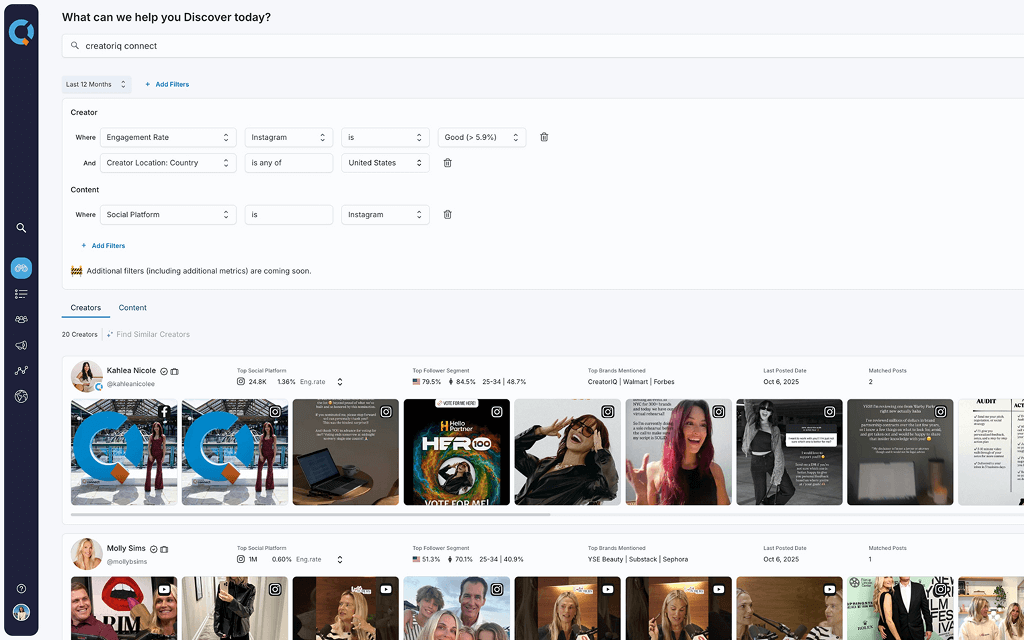
CreatorIQ provides the infrastructure you need to centralize discovery, vetting, approvals, content tracking, and reporting within a single platform designed for enterprise creator programs.
With CreatorIQ, you can:
Vet creators collaboratively before activation
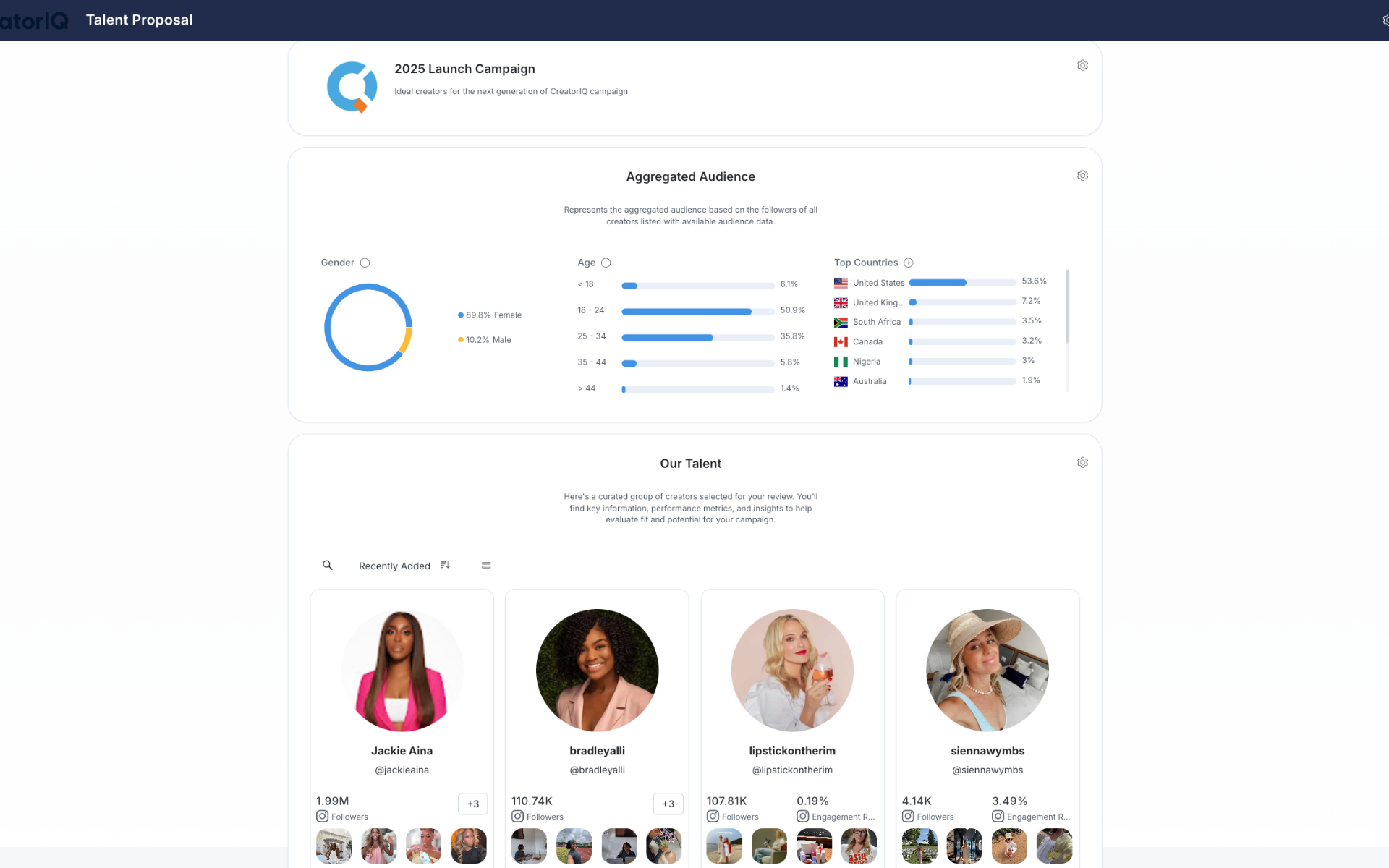
Implement structured approval workflows across teams.
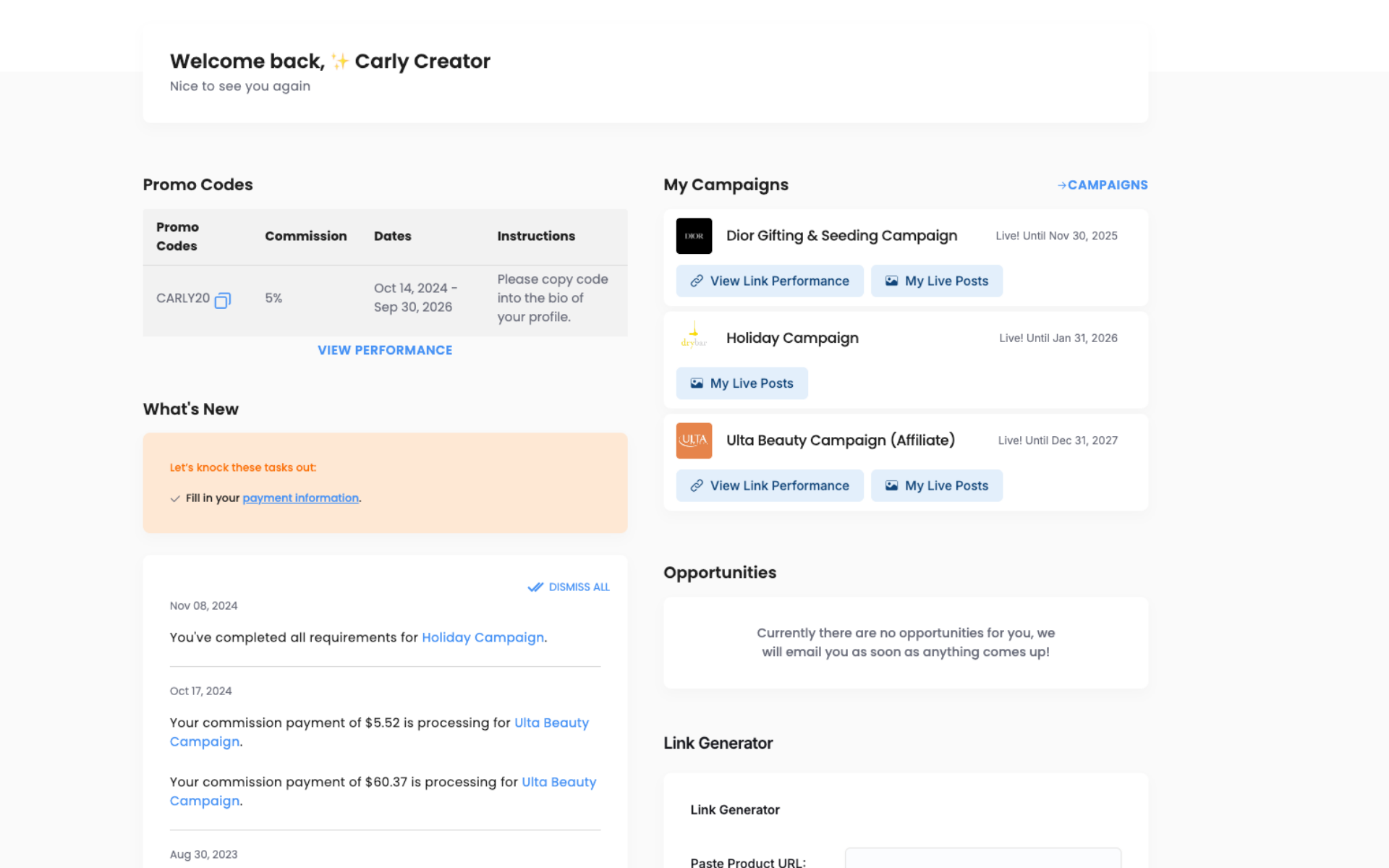
Track all brand-related creator content automatically.
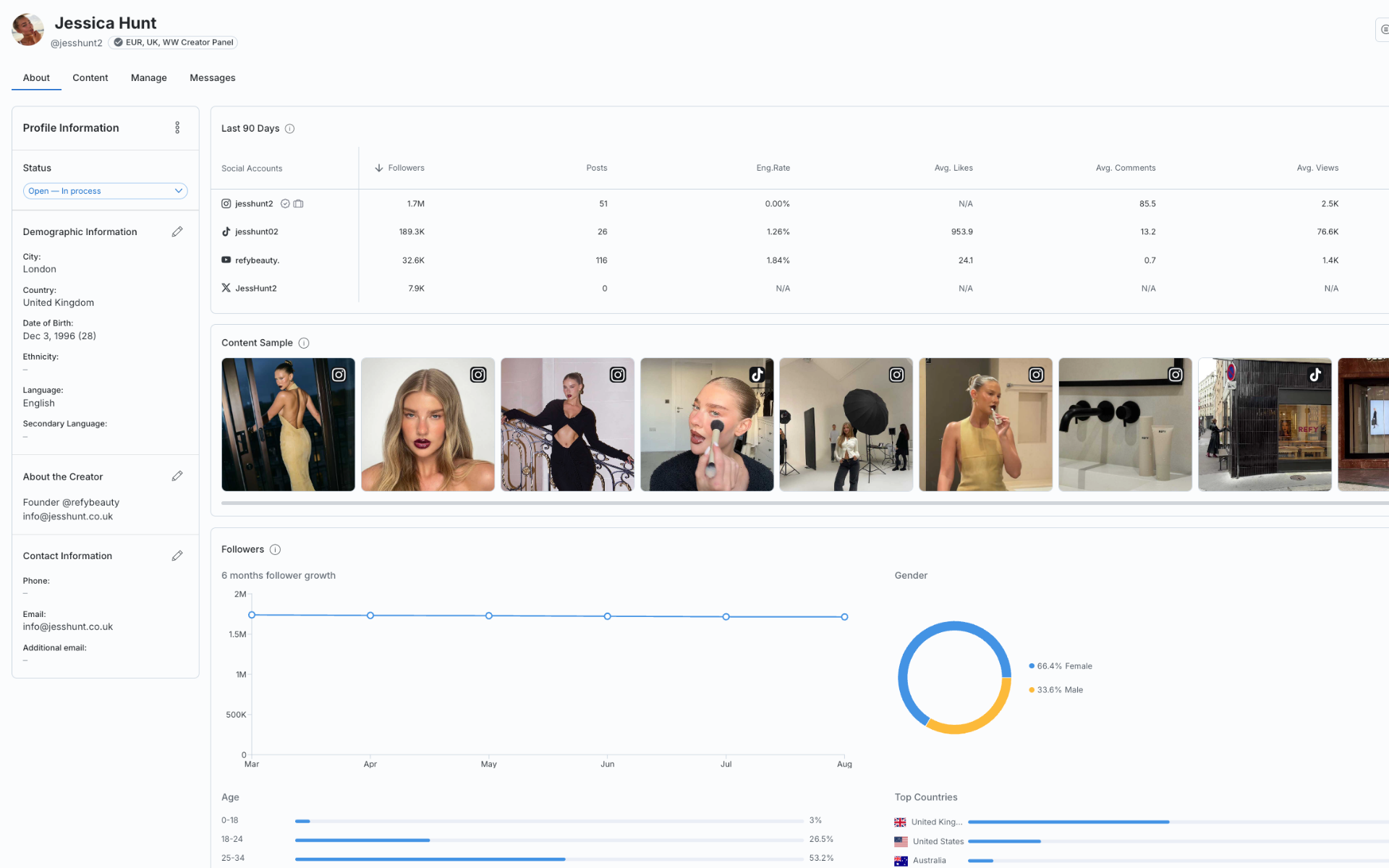
Transform creator posts into reusable brand assets.
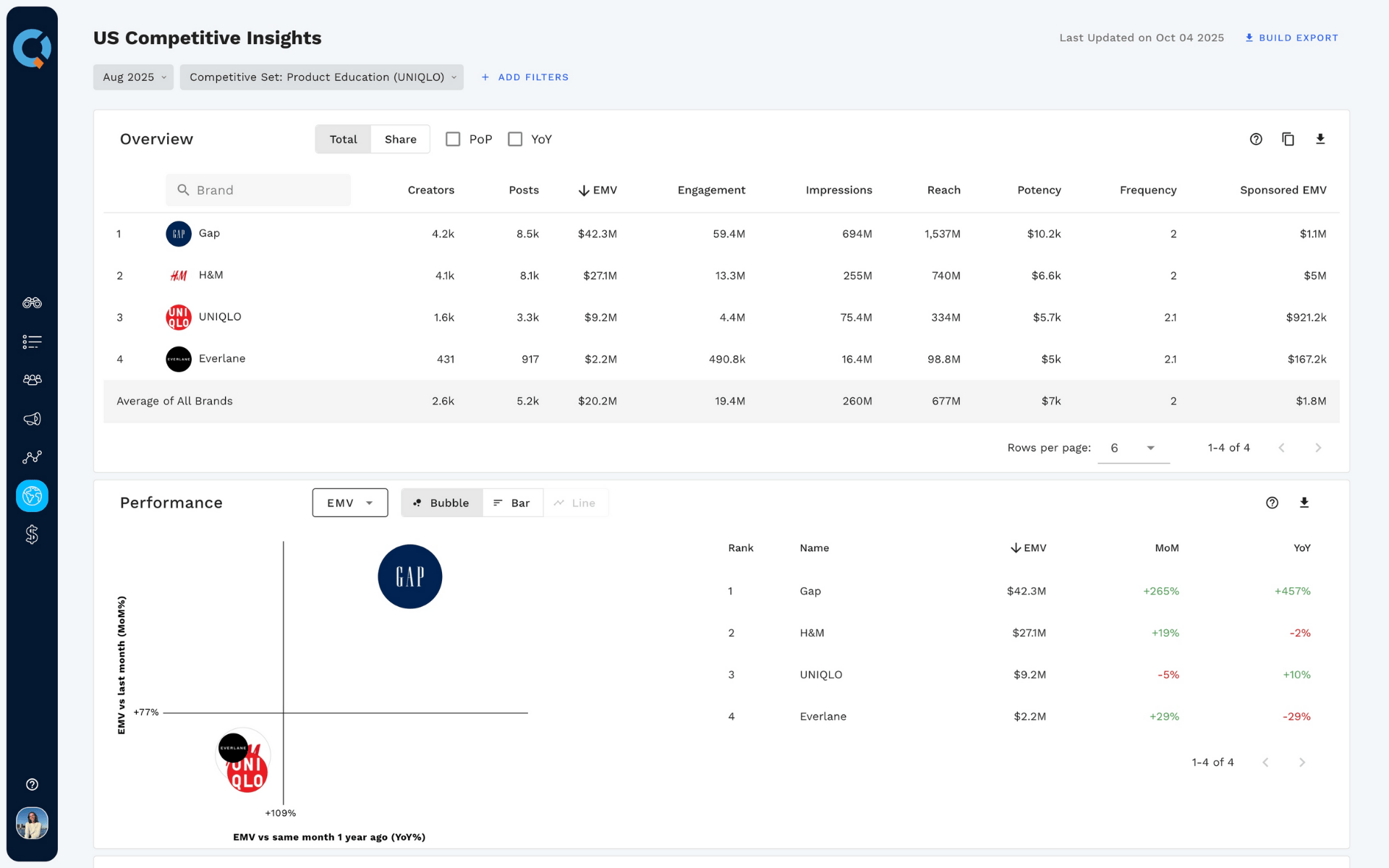
Generate brand-ready campaign reporting.
The result is a creator program that expands your brand’s reach without compromising its integrity, empowering creators to tell a story that remains unmistakably yours.
If that sounds good to you, check out CreatorIQ today.
Scale creator marketing into a measurable growth engine
Creator marketing has become one of the most powerful forces shaping brand visibility and consumer trust for global enterprises. But unlocking its full potential requires more than creative partnerships.
CreatorIQ provides the enterprise operating system that enables marketing leaders to scale creator marketing with accountability, visibility, and control.
Within a single platform, CreatorIQ unifies every stage of the creator lifecycle:
Discovery identifies creators through content-first search and brand mention analysis.
Lists enable collaborative creator vetting and stakeholder approvals.
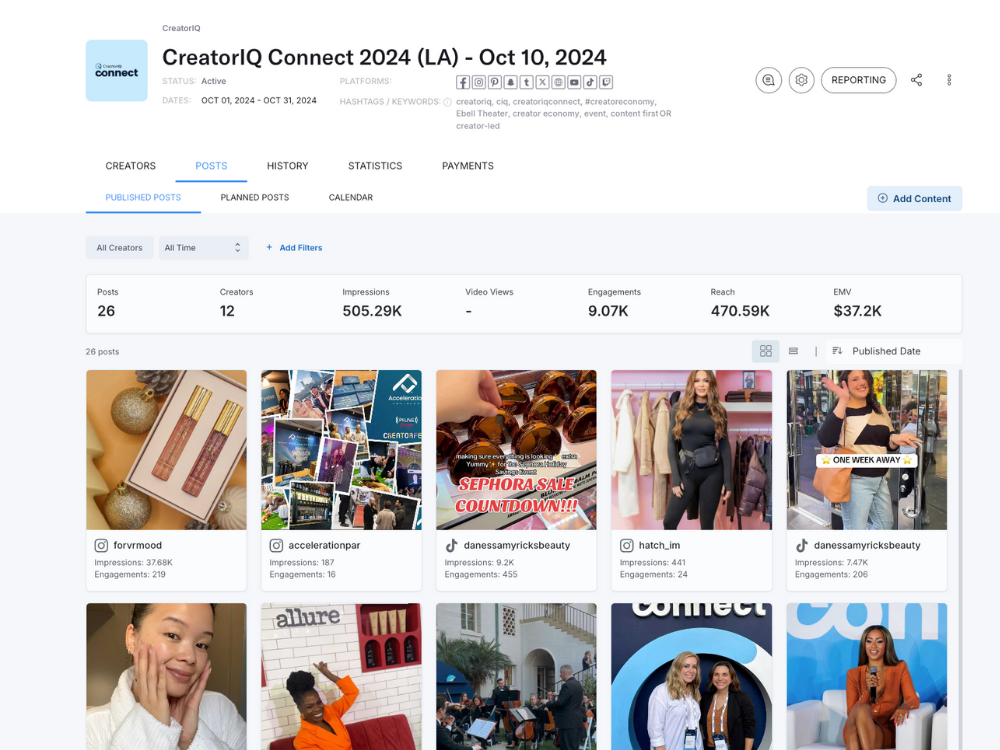
Campaigns manage partnerships, deliverables, and campaign execution.
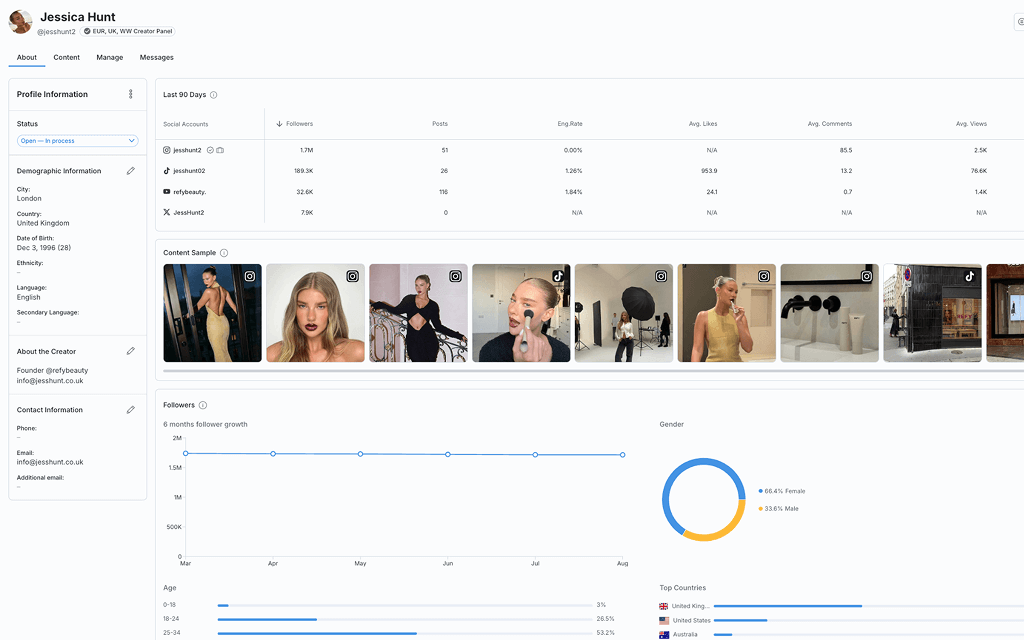
Community automatically captures creator content and organic brand mentions across platforms.
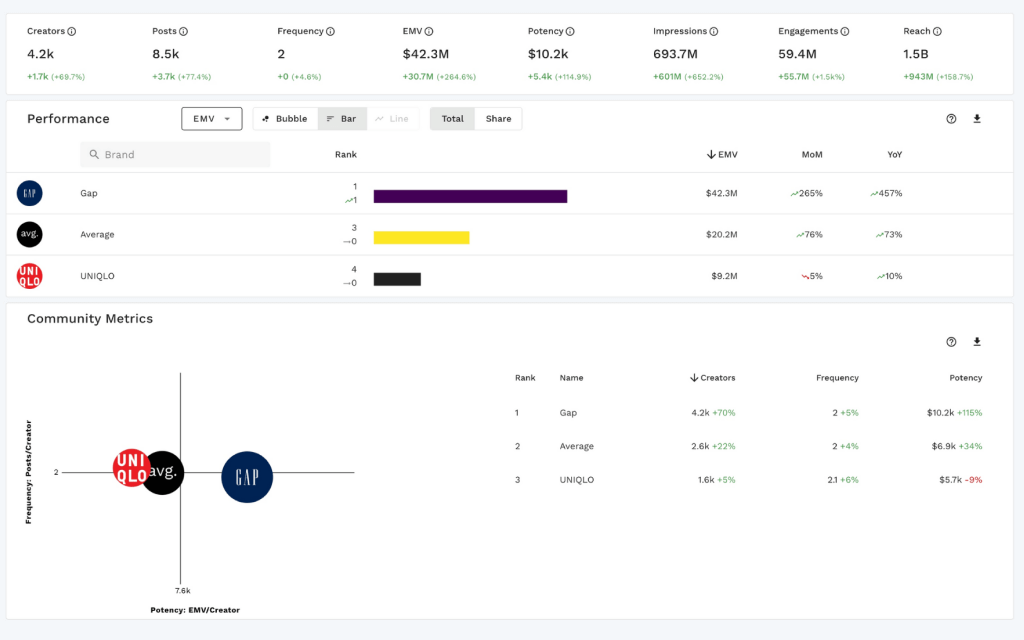
Measurement consolidates campaign performance, competitive insights, and enterprise dashboards.
Together, these capabilities transform creator marketing from a fragmented activity into a unified infrastructure for enterprise growth. The result is a creator strategy that delivers what Marketing Executives ultimately care about most: measurable growth, strengthened brand equity, operational efficiency, and reduced risk.
If that sounds good to you, check out CreatorIQ today.